


Progressive Leasing Mobile
3.62.45K Reviews
App Specs
- Version
- 6.6.45
- Updated On
- License
- Free
- Downloads
- 1,000,000+
- Developer
- Progressive Leasing
- Categories
- Shopping
- Platform
- Android, iOS
Screenshots


 Analysis by AppCompare
I approached Progressive Leasing Mobile as a shopping companion rather than a normal retail marketplace. Its purpose is to help people use Progressive Leasing’s lease-to-own purchase option when they need an item now and prefer to spread the arrangement over time. That makes it a very different tool from a standard shopping app, where the main question is usually which product has the lowest immediate price.
The app is free to install, is suitable for Everyone, and comes from Progressive Leasing. It has been available since October 27, 2016, and the current release is version 6.6.45. On Android, it requires Android 7.0 or later. Those details matter because this is a focused financial-shopping utility: you are not downloading it for entertainment, product discovery on a huge marketplace, or a broad set of retail services.
My overall impression is that it is most useful when the lease-to-own route genuinely fits your budget and timing. It can make the process easier to manage than handling everything through a store counter or a browser, but it does not turn a lease into a bargain. The app helps you access and work with the option; it does not remove the need to understand the total cost, payment schedule, and conditions before committing.
Using the app as a repeatable shopping workflow
I use this section to focus on making a purchase decision repeatable rather than starting from scratch each time: keep the need, spending limit, and full terms in view before moving ahead. That habit is especially useful when shopping under time pressure, because it gives me a consistent checkpoint for deciding whether the lease-to-own route still makes sense.
Start with the purchase, not the download
The best way to use this app is to decide what problem you are solving before opening it. If a refrigerator, laptop, mattress, appliance, or another necessary item has failed and waiting is impractical, the lease-to-own route may deserve consideration. If you are simply browsing for something enjoyable, starting with a payment option can make an unnecessary purchase feel easier than it really is.
I recommend writing down three things first: the item you need, the amount you can comfortably set aside, and the date by which you need it. This small preparation prevents the app from becoming a way to shop by weekly or recurring payment alone. A payment that looks manageable in isolation may still lead to a much higher overall cost than paying cash or using a conventional financing product.
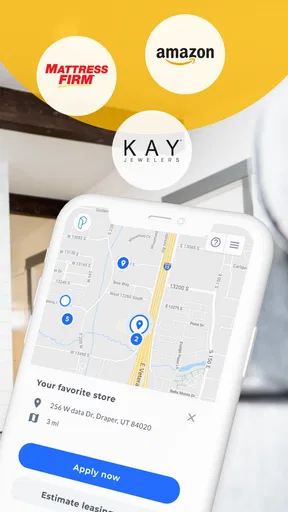
Once the need is clear, the normal workflow is straightforward. You use the mobile experience to work with Progressive Leasing’s purchase option, review the available path for your situation, and then continue with the retailer or product you are considering. The app is not a universal catalog replacing every store. Its value is in connecting the lease-to-own process with a purchase you are already trying to make.
Worth Reading Before You Choose

EA SPORTS FC Mobile 26 Is a Bigger Football Game, but It Takes Time

Flipboard Shows What News Apps Must Do Beyond the Feed

Switching to Android Auto Means Rethinking Your Driving Routine

Google Calendar Makes a Crowded Week Easier to Manage

Ludo King Makes the Most of the Minutes Between Plans

Baby Panda World Brings Quick Play to Modern Phones, but Its Game Library Feels Busy
A realistic everyday example
Imagine that your washing machine stops working just before a busy week. You find a replacement at a participating retailer, but paying the full amount immediately would disrupt your household budget. In that situation, I would use the app before standing at checkout. I would review the available terms, check the recurring obligation against other bills, and compare the total commitment with a cash price or ordinary credit option.
The important habit is to treat the app as a decision checkpoint. I would not open it only after choosing the most expensive model. I would first compare a practical model with a more premium one, then ask whether the extra features justify the larger commitment. This is one of the app’s less obvious lessons: convenience at checkout can encourage a bigger purchase unless you establish your limit beforehand.
For a time-sensitive replacement, the app can be helpful because it keeps the lease-to-own route close to the shopping process. For a planned purchase, I would slow down and compare alternatives more carefully. A few minutes spent checking a traditional retailer’s cash price, a credit-card cost, or a standard financing offer can reveal whether the convenience is worth the trade-off.
What the app is and is not
Progressive Leasing Mobile is a shopping app, but it should not be confused with a regular price-comparison service. It is built around Progressive Leasing’s own option, so its central question is whether that option can support a purchase you want to make. It is also not a guarantee that every product, retailer, or situation will work in the same way.
That distinction answers a common practical question: can you use it for any item you find online? I would not assume that. The sensible approach is to begin with a retailer or purchase context where Progressive Leasing is offered, then use the app to follow the applicable process. If your priority is searching every retailer for the lowest price, a general shopping search tool is the better first step.
The app is free, but the purchase arrangement is not the same thing as a free service. I would separate the cost of downloading the app from the financial cost of leasing an item. Before accepting anything, read the displayed terms carefully, identify the total amount you may pay, and check how the schedule fits your income. The app can make the process convenient, but convenience should never replace that review.
Settings and account habits worth checking
Experienced use is less about hunting for secret controls and more about building reliable habits around the information the app shows. I would keep notifications enabled only if they help me remember important account activity or scheduled obligations. If alerts become noisy, I would adjust them rather than ignoring every message, because a payment-related reminder is more useful when it is easy to notice.
I would also check that the contact and payment information associated with the account is current whenever circumstances change. A changed phone number, expired card, or outdated email address can create avoidable friction during a purchase or account review. This is not a flashy feature, but it is one of the most valuable maintenance steps for any app connected to a recurring financial commitment.
On Android, compatibility is broad enough for devices running Android 7.0 and newer, although older phones may feel less responsive than recent models. I would keep the app updated through the normal store process, especially when using it for an important purchase. The current version, 6.6.45, is the release I found listed now, and staying current is a sensible way to avoid preventable problems with sign-in or screen behavior.
Privacy and device security deserve practical attention too. I would use a screen lock, avoid entering account details on a shared device, and sign out when using a phone that other people can access. These steps are particularly important because the app relates to shopping and payment commitments. They are simple precautions, but they matter more here than they would in a casual recipe or wallpaper app.
Faster patterns that save time
My fastest reliable pattern is to prepare outside the app, then use it for confirmation. I would collect the product name, retailer, expected price, and my maximum comfortable recurring amount first. That keeps the mobile session focused and reduces the chance of making a rushed decision because I am already standing in a store or dealing with a broken appliance.
A second useful pattern is to compare two versions of the same need. For example, if I need a laptop for work, I would compare a basic model with one that adds convenience features. I would not judge only by the difference in the recurring payment. I would consider whether the more expensive choice changes the total obligation enough to affect rent, utilities, food, or emergency savings.
A third pattern is to save the important details in a secure personal record after completing a purchase. I would note the item, the agreed schedule, the retailer, and where the official account information can be reviewed. I would not rely on memory or a screenshot alone. If a question arises later, having the original details organized makes it easier to check what was actually accepted.
Another time-saving habit is to avoid repeated browsing when the decision is already clear. If the item is necessary, the retailer supports the option, and the terms fit your budget, use the app to complete the relevant steps rather than endlessly comparing unrelated products. Conversely, if the terms do not fit, stop early. The app should help you make a controlled decision, not keep you moving toward a purchase you already know is uncomfortable.
Where the experience can become frustrating
The main friction is conceptual rather than technical: lease-to-own shopping can look affordable when viewed through a recurring payment, while the full cost may be less attractive. The app cannot solve that tension. I would have preferred to see every important financial detail presented in a way that encourages comparison, but the responsibility still falls on the user to read and calculate carefully.
Another limitation is that the app’s usefulness depends on the shopping context. If you want one place to compare independent sellers, filter thousands of products, track deliveries, and read extensive community reviews, this is not the right replacement. A general marketplace app will usually be stronger for discovery. Progressive Leasing Mobile becomes more relevant after you have identified a purchase where its specific option is available.
There can also be a psychological disadvantage. When a purchase is framed around what you can pay repeatedly, it may feel easier to choose a higher-priced item. My workaround is to set the product budget first and treat the lease option as a payment method, not as permission to increase the budget. That single rule makes the app more useful and reduces one of the biggest risks of this type of shopping.
Users should also be prepared for the possibility that the process will require careful reading and personal verification. I would not assume that a quick approval path means every later detail is automatic. Keep your information accurate, review each screen before continuing, and make sure you understand what you are accepting. If you dislike financial forms or tend to skip terms, a straightforward cash purchase may be safer whenever it is affordable.
Advanced limits and when another option wins
The app is not the right choice for someone who already has enough cash to buy the same item at a lower total price and does not need the flexibility. In that case, paying upfront is usually easier to understand and avoids turning a simple purchase into an ongoing obligation. I would also compare a conventional personal loan, credit union product, or credit-card offer when those are available and clearly understood.
It is also a poor fit if your income changes sharply from month to month. A recurring commitment that works during a good month may become stressful during a slow one. Before using the app, I would test the payment against a conservative month rather than an unusually strong one. If the arrangement only works when everything goes perfectly, I would postpone the purchase or choose a cheaper item.
People looking for long-term ownership at the lowest possible cost should examine the lease terms especially carefully. The convenience of obtaining an item sooner may be valuable, but it can come with a meaningful price difference compared with other routes. The app is strongest when immediate access has real practical value and the user has a clear repayment plan. It is weakest when the purchase is optional or when the user is choosing it merely because the first payment looks small.
Families sharing one device should establish who is responsible for checking account activity and remembering obligations. I would not let several people make shopping decisions through one account without a clear agreement, because confusion about the item, schedule, or payment source can create unnecessary trouble. A simple written household rule is more useful than assuming everyone has seen the same app screen.
How it compares with ordinary shopping apps
A conventional shopping app is better for discovering products, comparing sellers, reading reviews, and watching prices. It usually begins with the item and treats payment as a later step. Progressive Leasing Mobile begins with a particular lease-to-own route, so it is more specialized. That specialization is its main strength and its main limitation.
Compared with visiting a store and asking about leasing at the counter, the app can offer a more private and repeatable way to review the process. You can prepare before arriving, think through the numbers, and avoid making the decision entirely under sales pressure. Still, the app does not replace the need to confirm that the item and retailer fit the arrangement you are considering.
Compared with ordinary financing, the meaningful comparison is not simply “which payment is smaller?” I would compare the total amount, duration, flexibility, and consequences of missing or changing payments. A traditional financing product may be better for a user with strong credit and a clear lower-cost offer. The lease-to-own route may be considered by someone who needs an item sooner and has fewer conventional options, but that does not make it automatically cheaper.
This is why I see the app as a specialized tool rather than a complete shopping solution. It earns a place on my phone when I am actively considering Progressive Leasing for a necessary purchase. I would not keep using it as my primary way to browse products, because general retailers and comparison tools serve that purpose better.
My verdict after using it with realistic expectations
Progressive Leasing Mobile has a clear job and performs best when you approach that job deliberately. It gives Progressive Leasing customers a mobile route for handling a lease-to-own purchase, and its free availability makes it easy to try before committing to a shopping decision. The app has a 3.6 average from around 6.3 thousand ratings, with more than 1 million installs, so it is clearly being used by a substantial audience rather than serving only a tiny niche.
Those numbers do not change my practical advice: popularity is not a substitute for checking terms. I would recommend it to someone who needs an item now, has identified a participating purchase situation, and is willing to compare the complete obligation with cash and conventional financing alternatives. I would not recommend opening it simply to make an optional purchase feel affordable.
The most successful workflow is simple: define the need, set a spending ceiling, confirm the retailer and item context, review the full arrangement, and keep the account information organized afterward. Check your contact and payment details, use a secure device, and treat reminders as support rather than as a replacement for personal budgeting. These habits make the experience faster without pretending that the financial decision is effortless.
My bottom line is that this is a useful access tool, not a magic savings tool. If lease-to-own is the route that realistically helps you obtain an essential product, the app can make the process more manageable. If you can wait, pay cash, or qualify for a clearly cheaper conventional option, I would compare those choices first. Used with that discipline, Progressive Leasing Mobile is practical; used only because the first payment looks comfortable, it can lead you toward a commitment that deserves much more scrutiny.
Pros
- Quickly view lease payment details and account status.
- Convenient mobile access without calling customer support.
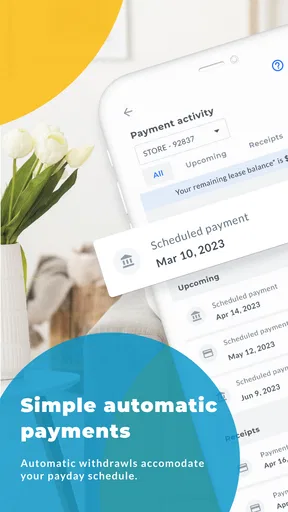
- Payment reminders can help prevent missed due dates.
- Useful for tracking purchase-related lease information.
- Simple interface for checking essential account activity.
Cons
- Requires an active Progressive Leasing account to be useful.
- Some account actions may still require customer service assistance.
- Lease costs can be higher than paying the purchase price upfront.
- Availability of features may vary by account or lease agreement.
- App usefulness is limited after the lease has been completed.
FAQs for Progressive Leasing Mobile
What is Progressive Leasing Mobile, and what can I use it for?
Progressive Leasing Mobile is designed to help customers manage a Progressive Leasing account from a smartphone. Depending on your account and location, you may be able to review lease details, check payment information, view upcoming due dates, make or schedule payments, and access support resources. The exact features can vary, so the app should be considered a companion to your lease rather than a replacement for reading the full agreement.
Do I need an existing Progressive Leasing account to use the app?
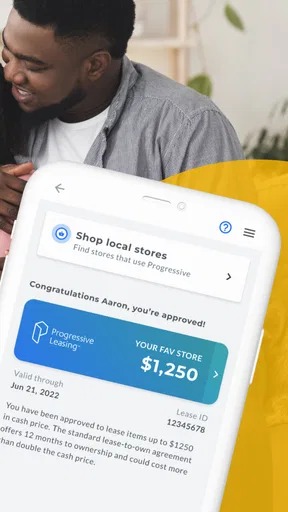
In most cases, yes. The app is primarily intended for customers who already have a Progressive Leasing account or have started an application through a participating retailer. You will generally need to sign in using information connected to your account. If you are new to Progressive Leasing, eligibility, approval, payment options, and available products are determined by Progressive Leasing and the retailer, not simply by downloading the application.
Can I make payments through Progressive Leasing Mobile?
The app may allow eligible customers to make one-time payments, manage payment methods, or review scheduled payments, although available options can depend on the account and the current version of the service. Before confirming a payment, carefully check the amount, date, and funding source. Payment processing times, returned-payment rules, late charges, and other conditions are governed by your lease agreement and should be verified directly with Progressive Leasing.
Is Progressive Leasing Mobile safe to use for personal and payment information?
The app is intended to provide access to account and payment-management tools, but users should still follow normal mobile-security practices. Download it only from an official app store, verify the developer name, keep your operating system updated, and avoid signing in over unsecured public Wi-Fi. Never share passwords or verification codes. Review the app’s privacy disclosures to understand what information may be collected, used, or shared.
What should I do if I cannot sign in or notice an incorrect account detail?
First, confirm that you are using the correct login information and that the app is updated. A password reset or restarting the app may resolve common access problems. If your payment history, balance, lease information, or personal details appear incorrect, do not rely solely on the displayed information or submit a duplicate payment. Contact Progressive Leasing through the official support channel listed in the app or on its verified website for account-specific assistance.


